About Us
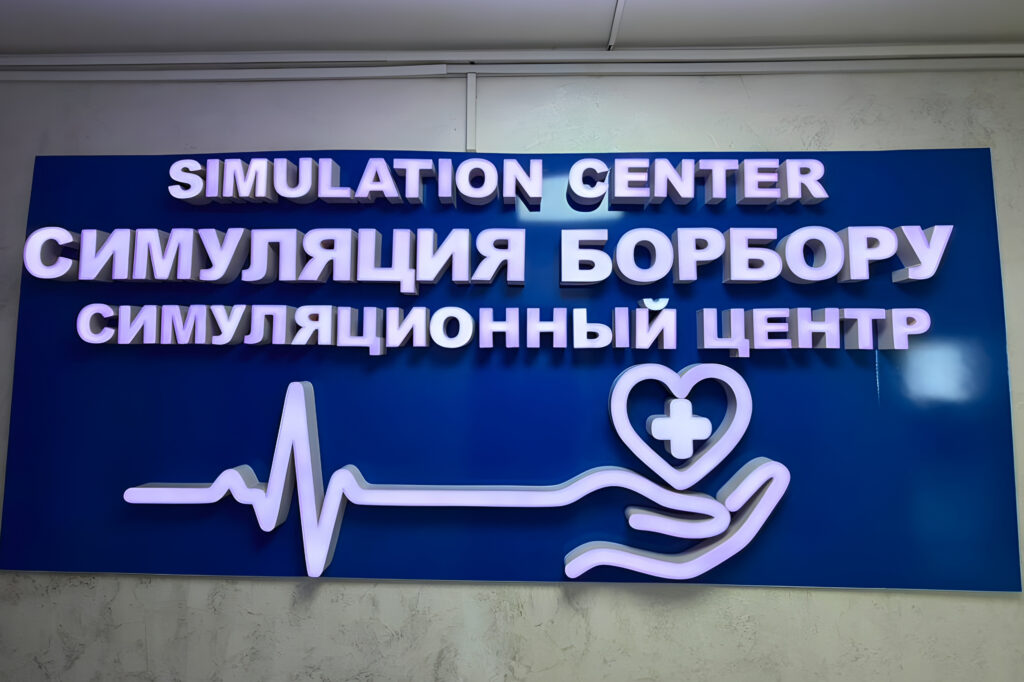
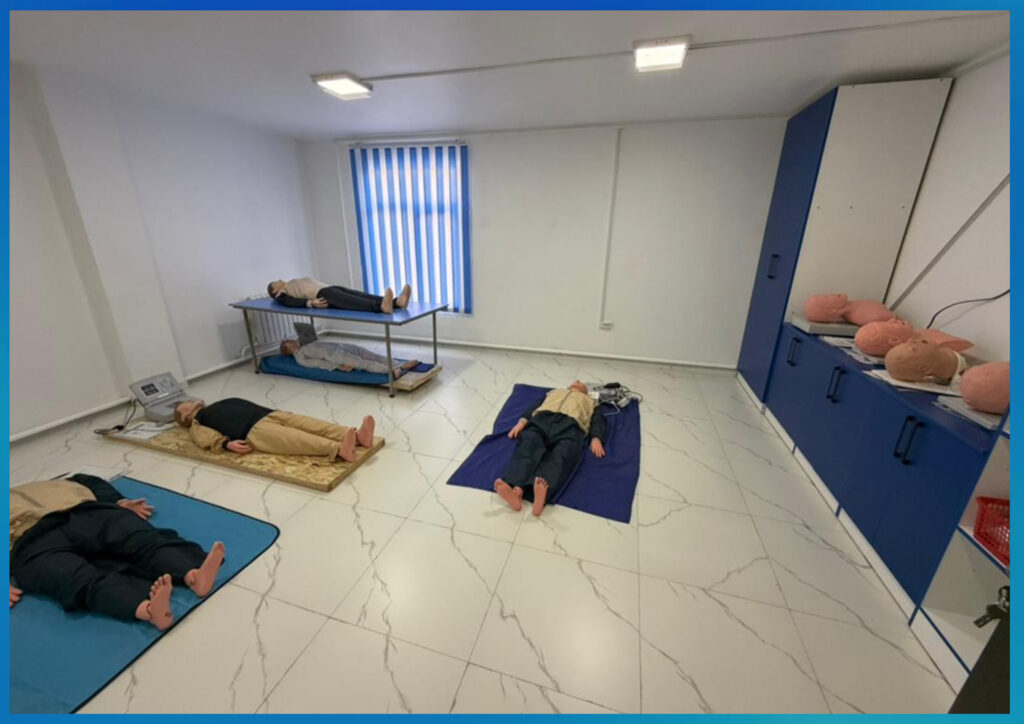
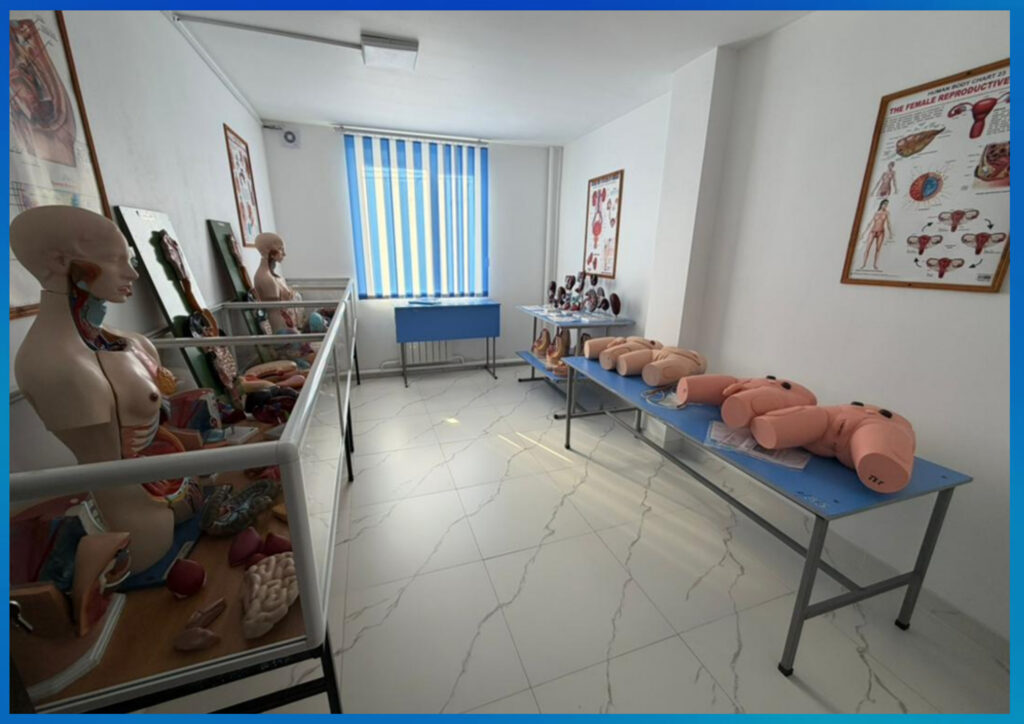
The Simulation Center is a specialized educational unit dedicated to the implementation of innovative approaches in medical education. Its primary objective is to develop and enhance practical clinical competencies through advanced simulation-based training. The Center is equipped with modern simulation and training rooms featuring high-fidelity phantoms, anatomical models, virtual simulators, and sixth-generation robotic mannequins. These technologies enable each trainee to independently and repeatedly perform required clinical procedures in a safe and controlled environment.
The Center provides structured practical training at the undergraduate, internship, and residency levels, ensuring the progressive development of professional competencies in accordance with academic and clinical standards.
Designed and equipped in compliance with international standards, the Simulation Center incorporates state-of-the-art educational technologies and teaching tools. The training process includes:
- Independent task performance by students without the direct physical presence of an instructor, supported by remote monitoring systems, in facilities that accurately replicate real clinical environments;
- Practical sessions conducted in specialized rooms equipped with augmented reality systems, enabling the simulation of emergency scenarios, including road traffic accidents, for first aid training;
- Hands-on training using advanced virtual simulators to develop diagnostic and procedural skills;
- Comprehensive audio and video monitoring and recording of training sessions for objective assessment and quality assurance;
- Development of practical skills with opportunities for independent expert evaluation;
- Live online broadcasting of training sessions to dedicated debriefing rooms for detailed analysis, feedback, and systematic error review.
Through the integration of modern simulation technologies and evidence-based teaching methodologies, the Simulation Center ensures a high standard of clinical training and prepares future healthcare professionals for safe, effective, and competent medical practice.
Mission and Vision
Mission
To prepare competitive and professionally competent healthcare specialists by creating a safe, simulation-based educational environment that facilitates the development, consolidation, and assessment of practical clinical skills among students, while simultaneously enhancing the professional qualifications of teaching staff—ensuring high standards of training without risk to patients.
Vision
To be a leading simulation-based educational center in medical training, implementing innovative and evidence-based teaching methodologies, continuously advancing in alignment with the evolving needs of practical healthcare and global trends. The Center aspires to elevate the quality of practical medical education by preparing highly competent specialists who are capable, confident, and ready to effectively apply their knowledge and clinical skills in routine practice as well as in critical and emergency situations.
Tasks of the Simulation Center:
Integration of innovative simulation technologies for the practical training of medical students and young doctors, including high-fidelity mannequins, anatomical models, virtual simulators, modern medical equipment, interactive educational programs, and audio-visual systems. Training is focused on the development and objective assessment of clinical, laboratory, and communication competencies, including the involvement of standardized patients.
Ensuring compliance with the institutional quality management system and adherence to anti-corruption policies in accordance with internal regulatory documents and the legislation of the Republic of Kyrgyzstan.
Strengthening coordination and cooperation with academic and structural divisions to implement innovative educational technologies in the teaching of clinical disciplines within medical programs.
Organizing training and certification programs for emergency care specialists in accordance with international standards and national healthcare requirements of the Republic of Kyrgyzstan.
Studying and analyzing international best practices in innovative and simulation-based medical education, developing proposals to enhance and optimize simulation training, and exploring the introduction of WET LAB technologies into the educational process.
Collaborating with the academic department to organize and conduct competency-based assessment using the Objective Structured Clinical Examination (OSCE) for students, interns, and residents.
Employees
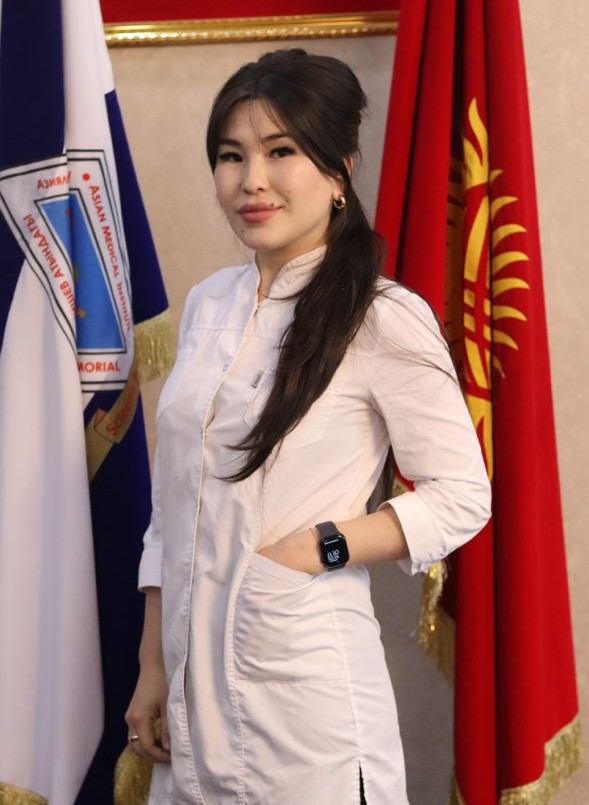
Head of the Simulation Center
Sulaimanova Elnura, Pediatrician
Phone: +996 777777777
Email: [email protected]
Equipment and Facilities
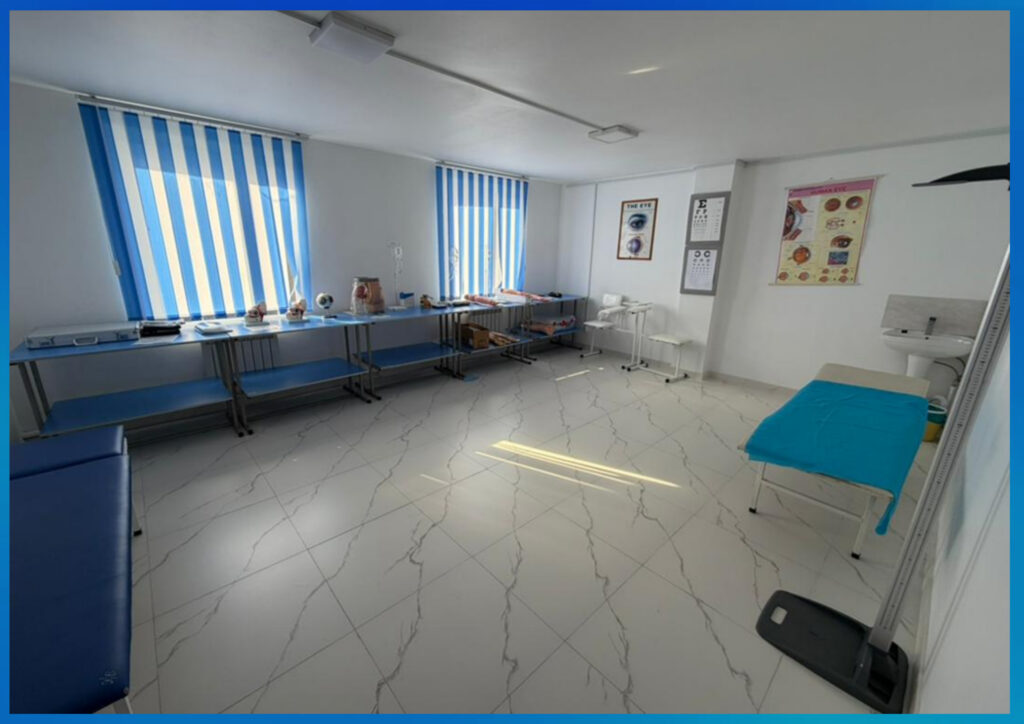
The Center is equipped with:
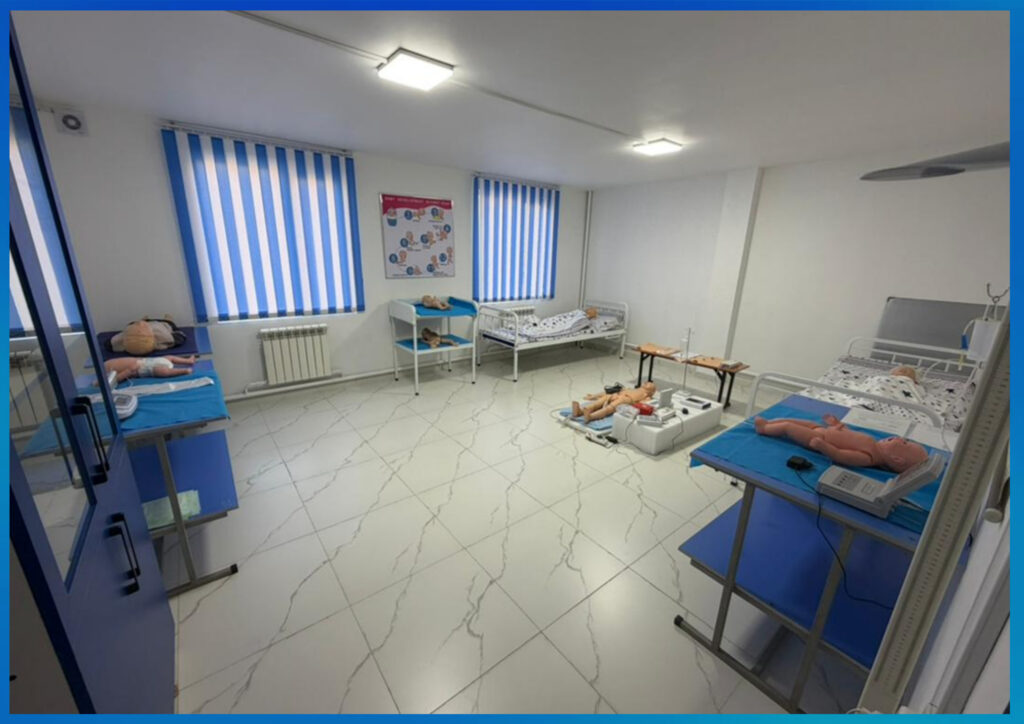
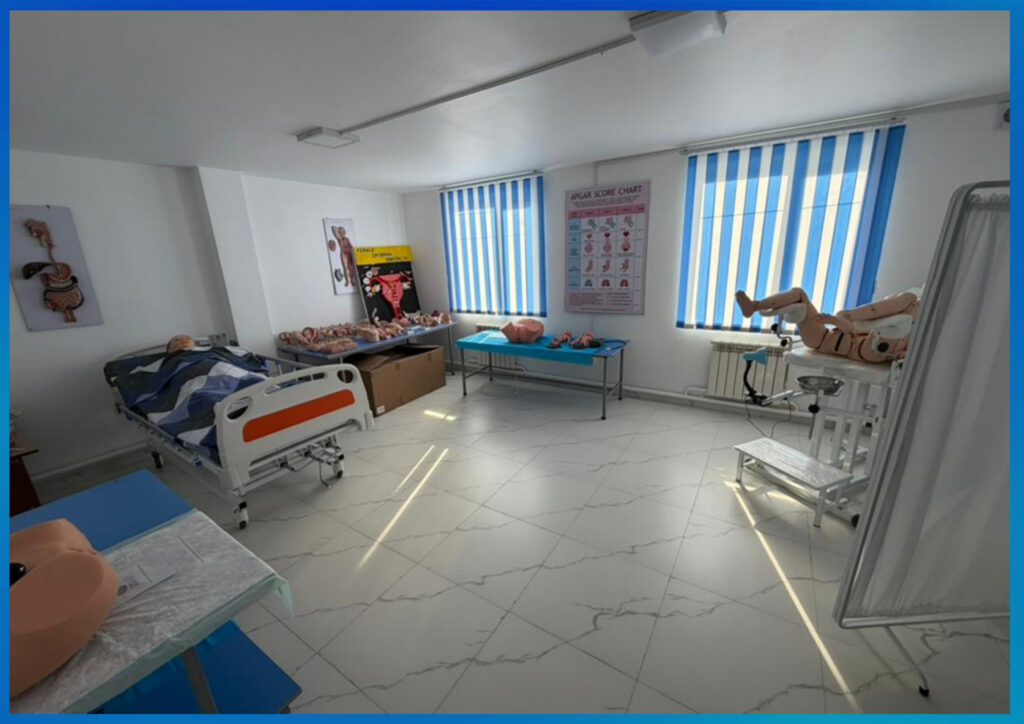
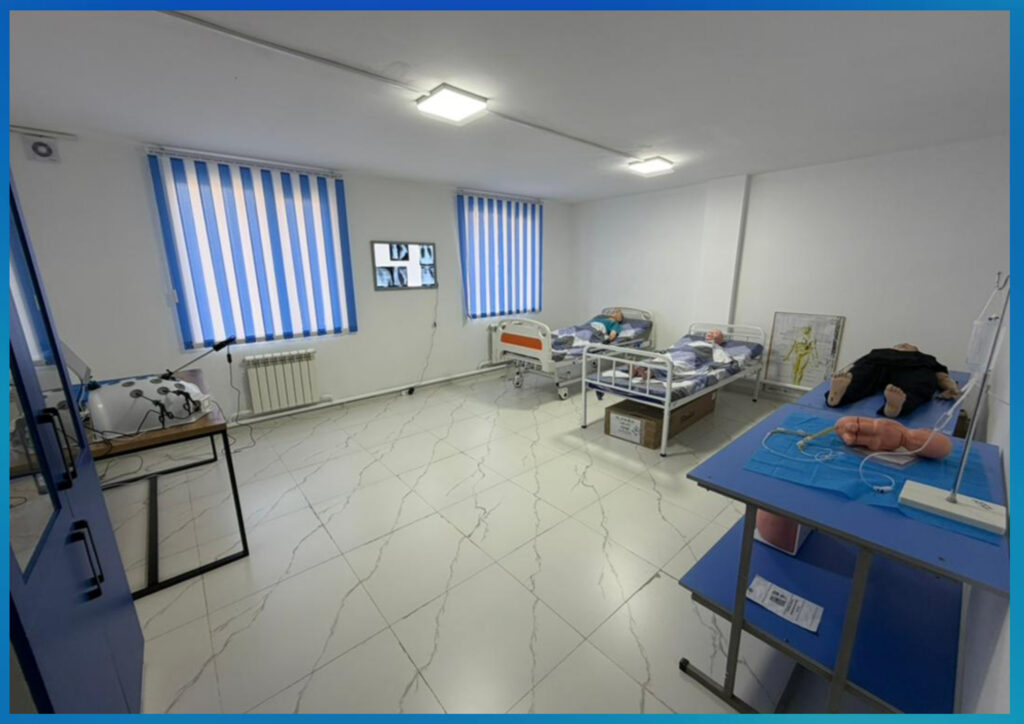
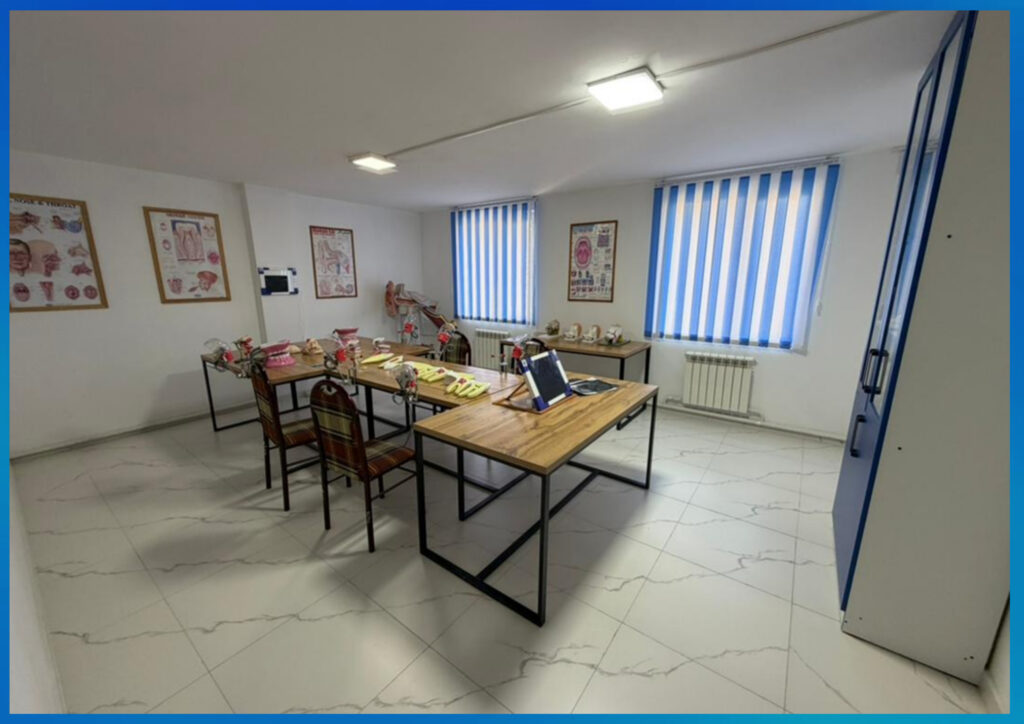
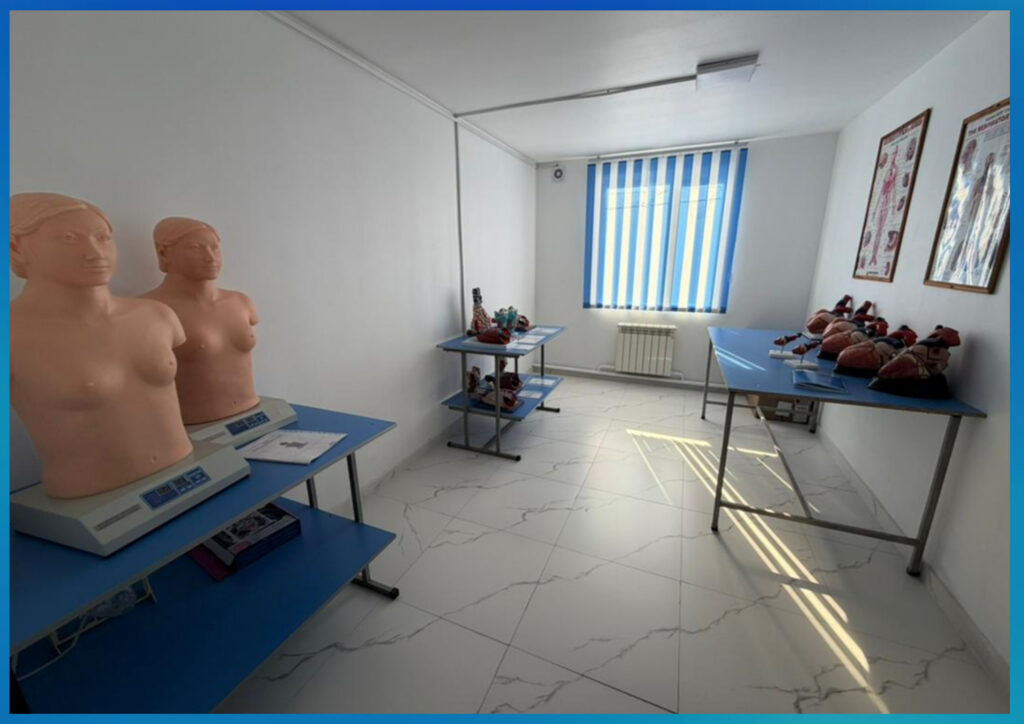
- High-fidelity mannequins and medical phantoms;
- Simulation trainers;
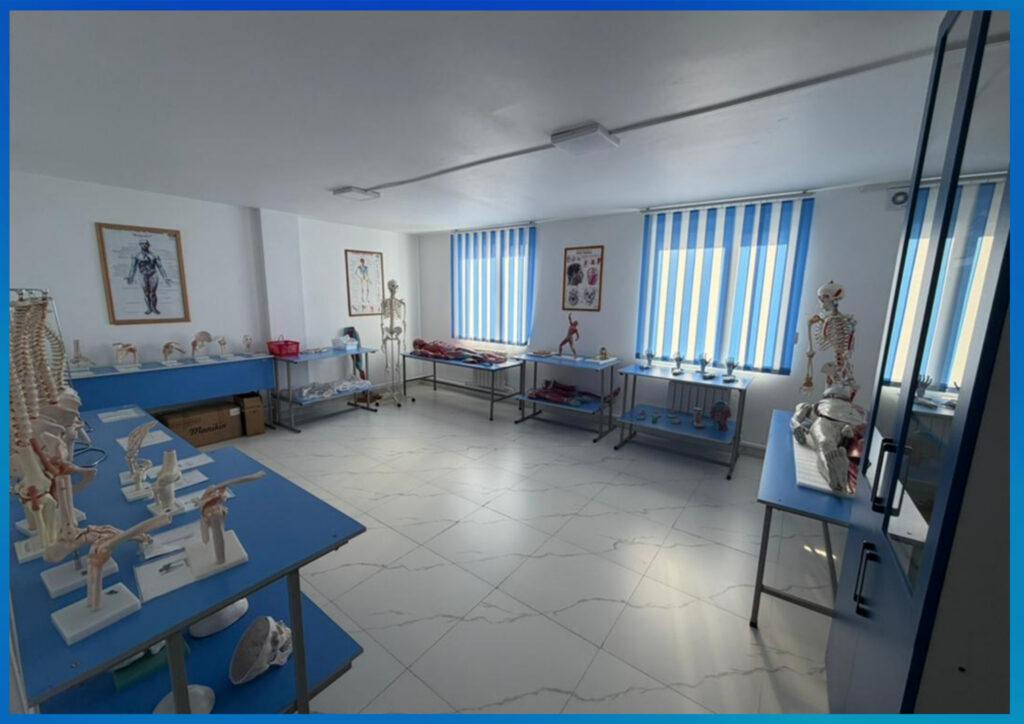
- Anatomical models and task trainers;
- Surgical instruments;
- Specialized training stands and equipment.
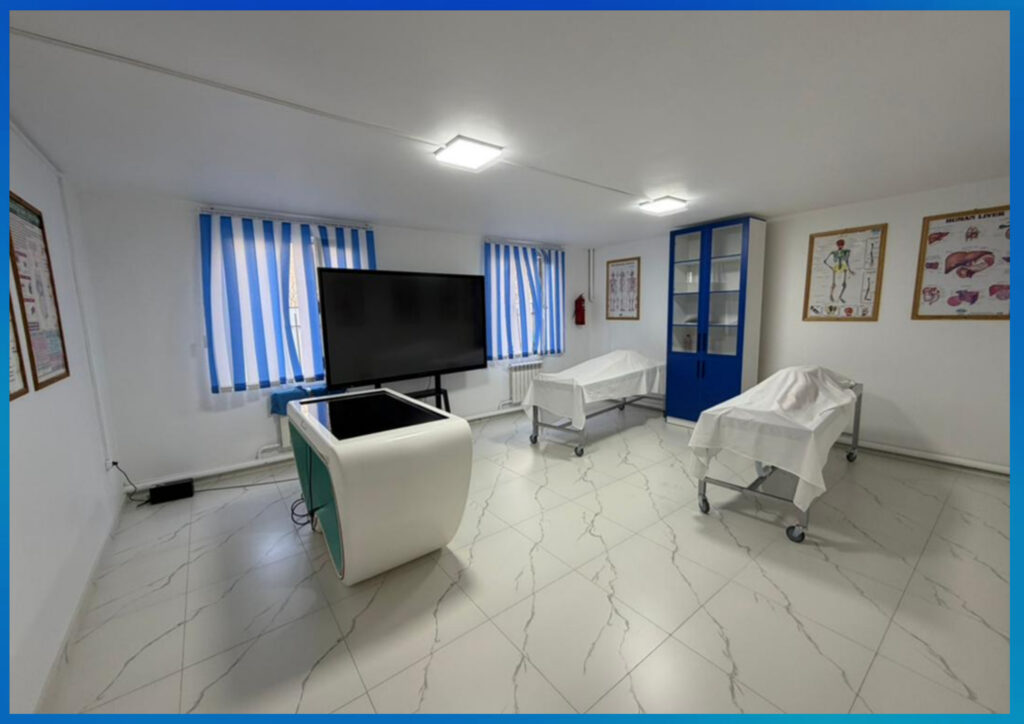
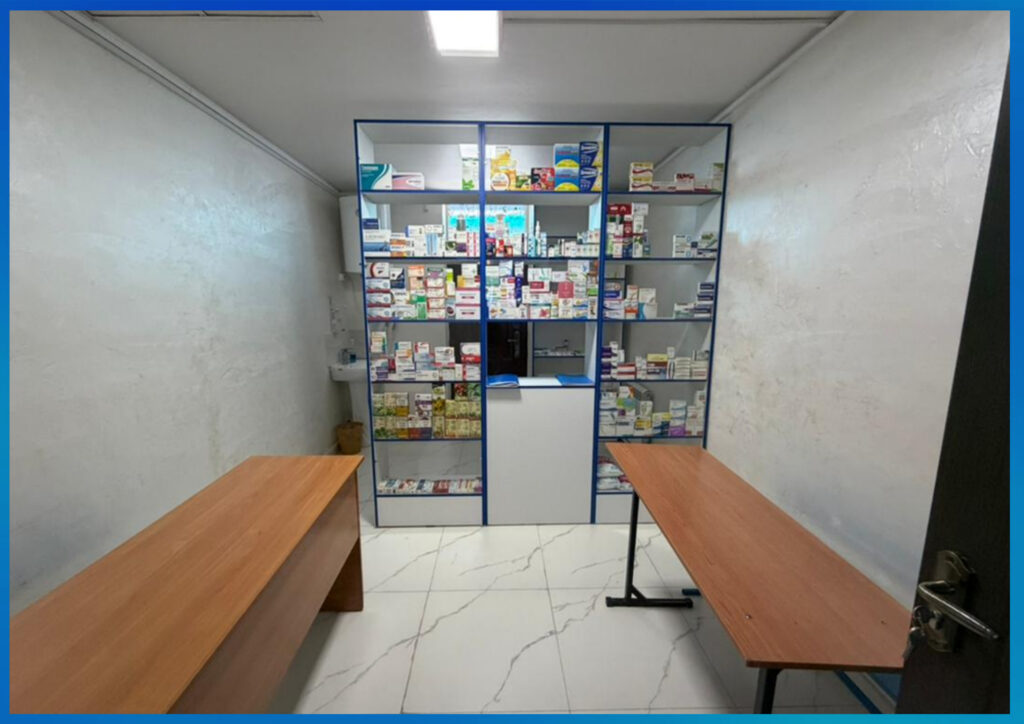
The Center includes the following specialized training rooms:
- Ultrasound (US) Training Room
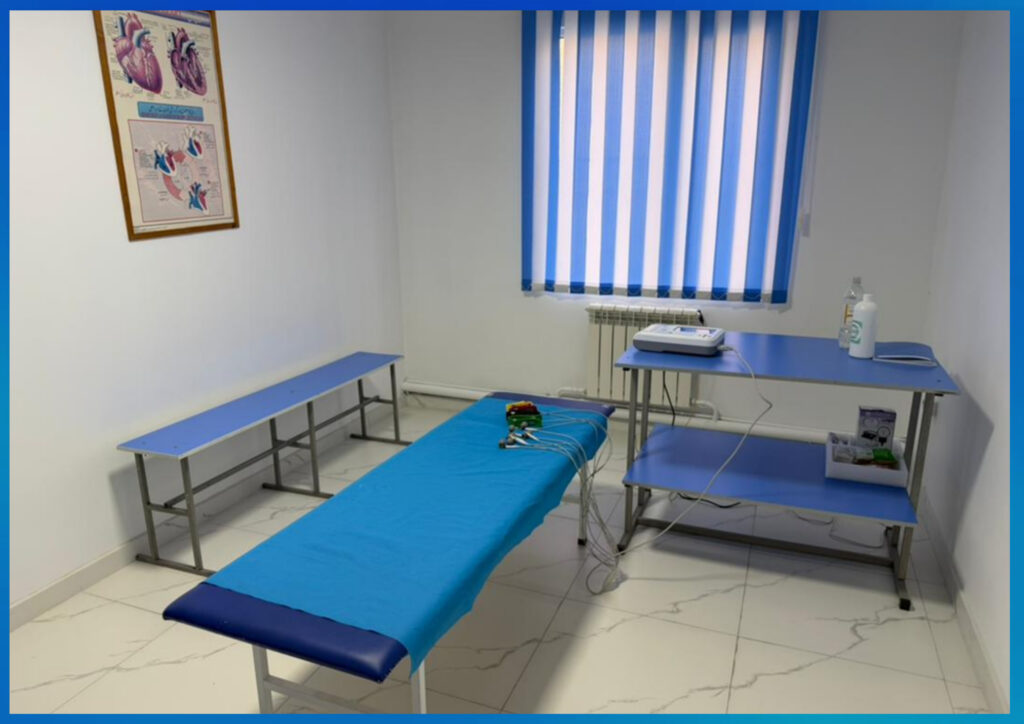
- Electrocardiography (ECG) Training Room
- Clinical Skills Room (Pirogov Table)
- Cardiovascular System Training Room
- Emergency Care and Cardiopulmonary Resuscitation (CPR) Auditorium
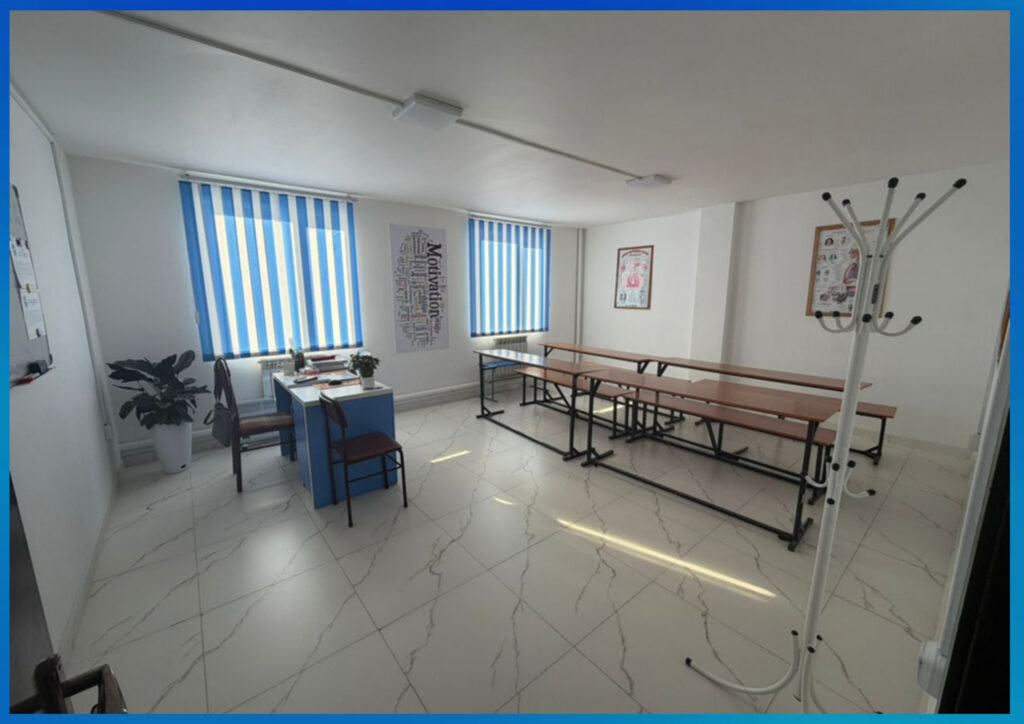
- General Training Classrooms
- Gynecological Skills Training Room
- Pediatrics Training Room
- Nephrology and Urology Training Room
- Dentistry Training Room
- Pharmacology Training Room (Model Pharmacy)
- Injection and Procedural Skills Room
- Musculoskeletal Anatomy (Locomotor System) Training Room
- Surgery Training Room
Dress code requirements
- adhere to business dress code;
- have a neat hairstyle and short nails; (for girls: bright makeup and bright nail polish are not allowed; young men must be clean-shaven);
- have a clean, ironed medical gown/surgical suit, cap/hat, medical mask, change of shoes.
During practical classes and final assessments, students are prohibited from:
- use mobile devices/gadgets;
- use the laptop for purposes other than those intended;
- leave the Simulation Center wearing medical clothing and changeable shoes.
- It is prohibited to taste any reagents or consumables, drink, eat, or smoke in the Simulation Center.
Penalties for the above
- In the event of a single violation of the discipline policy, the student receives a verbal warning from the Simulation Center staff.
- In case of repeated violations of the discipline policy, the student is obliged to provide an explanatory note addressed to the head of the simulation center.
- In case of systematic violation of the discipline policy, the head of the simulation center submits a corresponding report to the dean’s office.
- For each uncompleted assignment/absence from class, the student receives “0” points.
- In case of loss of the key to the Simulation Center locker, the responsibility lies with the student!
- In case of damage to the property of the Simulation Center by a student, the supervising teacher will be held responsible!